A lot of subcontractors figure this out the hard way. They buy software that looks polished in a demo, then realize a month later it was built for the general contractor, not the company actually putting crews on the job, tracking labor with time and attendance, and trying to get invoices out the door. That is the real issue behind construction software for subs vs GC - the work is connected, but the day-to-day needs are not the same.
If you are a GC, you need a broad project view across many trades, owners, schedules, RFIs, and high-level coordination. If you are a subcontractor, you need tight control over labor, production, field reporting, materials, job costs, and billing. Those are not small differences. They change what the software should do every single day.
Why construction software for subs vs GC matters
On paper, it can sound like all construction software does roughly the same thing. Track jobs. Store documents. Manage teams. In reality, the best system depends on where you sit in the project.
A general contractor is managing the whole build. Their software is often designed around master schedules, bid packages, owner reporting, subcontractor coordination, and document workflows that keep the full project moving. That makes sense for them.
A subcontractor has a different pressure point. You are trying to know where your crews are, what got done today, how many hours hit each cost code, what equipment moved, what materials were used, what changed in the field, and whether the invoice matches the work. If the software makes those basics harder, it is the wrong system, even if it is popular.
That is why the comparison of construction software for subs vs GC is not really about which is better overall. It is about which is built for your side of the job.
What GCs usually need from software
GC-focused platforms are often built to centralize communication across a large project team. They help manage preconstruction, submittals, RFIs, meeting notes, schedules, contract docs, and owner-facing visibility. The software is often designed for project executives, project managers, and coordinators who need a single place to control moving parts across multiple stakeholders.
That usually means more layers, more permissions, and more process. For a GC, that can be useful. They need formal workflows because they are coordinating the entire project.
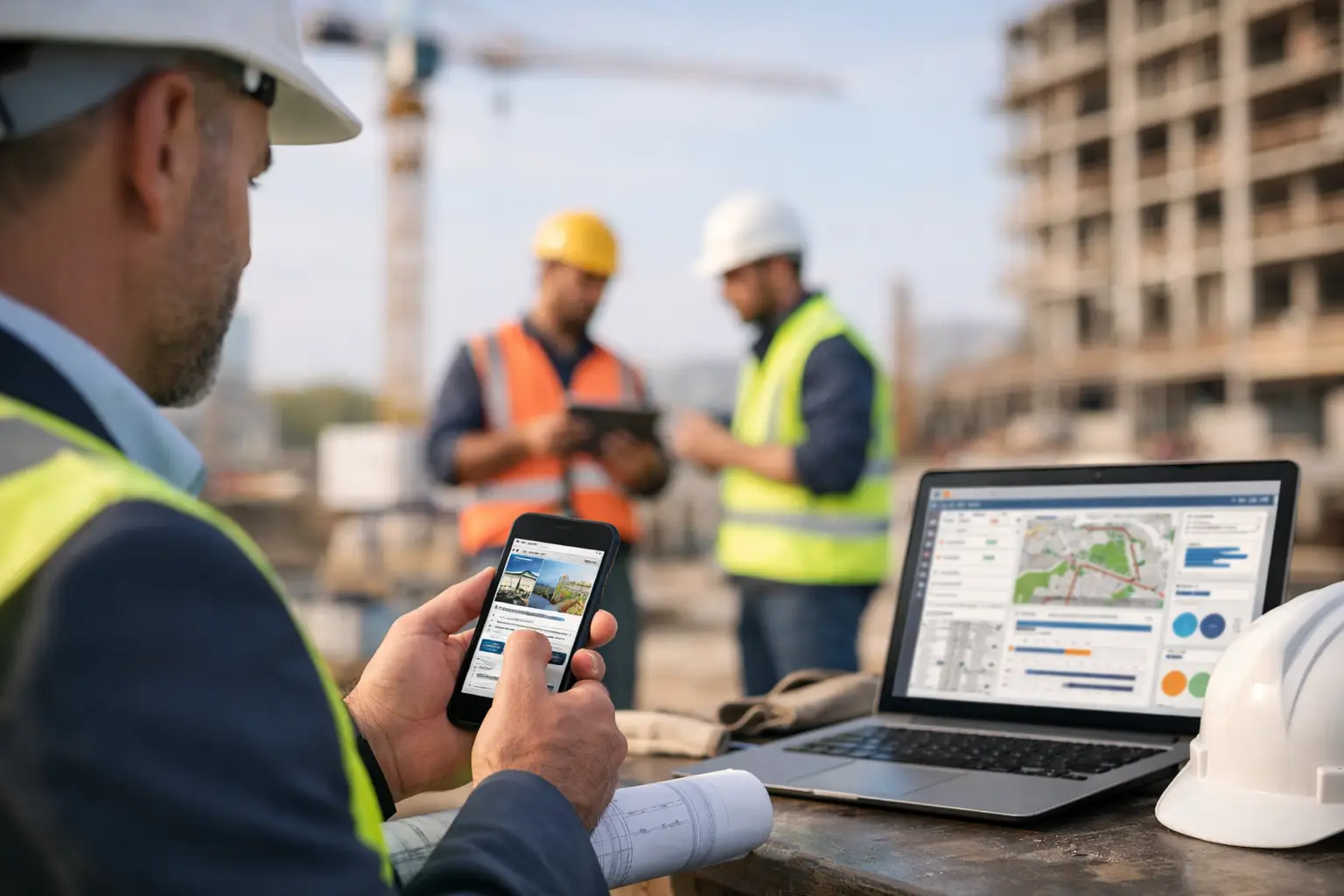
The trade-off is that field-level crew management can feel secondary. Time tracking may exist, but not in a way that works for a concrete crew clocking in from the jobsite at 5:45 a.m. (If you want examples of what field-friendly looks like, see construction time tracking that works.) Daily logs may exist, but not in a format that a foreman can finish in two minutes from a phone. Material tracking may exist, but not in a way that helps a subcontractor tie real usage back to job profitability.
In other words, GC software often starts at the project level and works downward.
What subcontractors actually need
Subcontractors usually need software that starts at the crew level and builds upward. That sounds simple, but it changes everything.
You need to know what happened today without calling five people. You need office and field teams looking at the same information. You need foremen to use the app without training sessions and cheat sheets. And you need all of it to support faster billing, cleaner payroll, and better job costing.
For most trade contractors, the core needs are practical. Time and attendance has to be easy. Daily job tracking has to happen from the field. Photos and documentation have to be attached to the right job without extra steps. Equipment and materials need to be visible before they become cost overruns. Estimating and invoicing should connect back to the real work, not live in separate systems.
That is where many subcontractors get frustrated with GC-first tools. They can be powerful, but power is not the same as fit. If your team avoids the system, delays updates, or still uses paper and spreadsheets on the side, the software is creating work instead of removing it.
The biggest differences in construction software for subs vs gc
The clearest difference is workflow design. GC software is built for coordination across companies. Subcontractor software should be built for execution inside your company.
A GC needs visibility across all subs on a project. A sub needs visibility across all crews on all active jobs. A GC wants to know whether the project is moving according to plan. A subcontractor wants to know whether labor, materials, and field production are landing where they should before margin slips away (and many teams speed this up with faster job progress tracking).
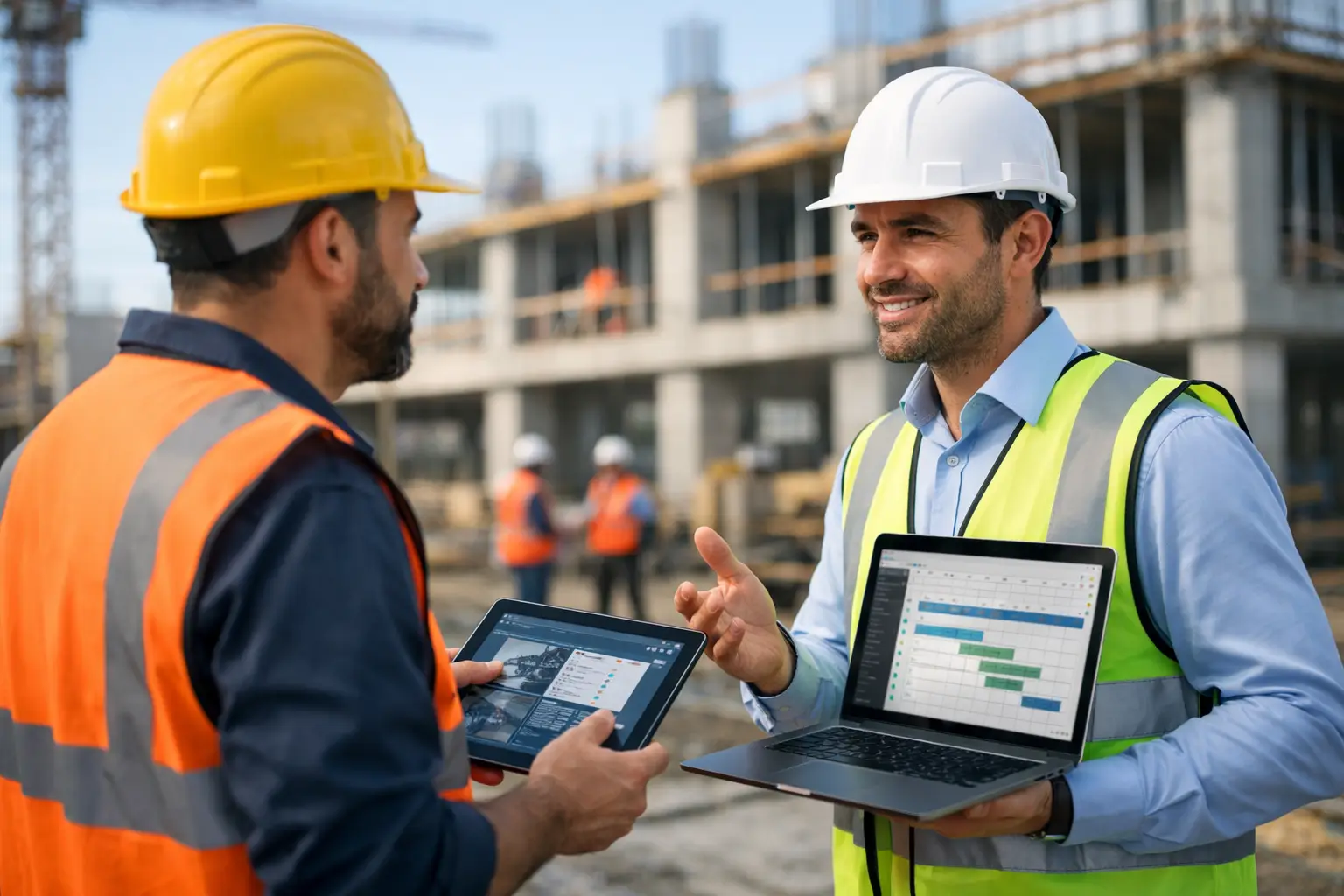
There is also a big difference in who has to use the system. On the GC side, the main users are often office-heavy roles. On the subcontractor side, adoption lives or dies in the field. If foremen and crew leaders cannot use it fast, the whole system breaks down.
Then there is setup. Many GC platforms assume longer onboarding, more customization, and more internal admin support. Small and mid-sized subcontractors usually do not have time for that. They need software they can roll out quickly and trust right away.
Where subcontractors lose money with the wrong system
The wrong software does not just annoy people. It creates blind spots.
If time is entered late, payroll errors show up and job costs drift. If daily logs are inconsistent, production issues get discovered after the money is gone. If photos and field notes are scattered across texts and phones, back charges and change disputes become harder to defend. If invoices are delayed because office staff are chasing paperwork, cash flow slows down.
This is why simple matters. Not because subcontractors want less capability, but because they need tools that get used consistently. A fancy platform with weak field adoption is less valuable than a straightforward one your whole team uses every day.
How to tell if software was built for subs
The first sign is what the demo focuses on. If most of the conversation is about RFIs, submittals, owner workflows, and top-down project controls, you are probably looking at GC software. If the conversation quickly gets into crew time, job tracking, field reporting, photos, materials, equipment, estimating, and invoices, that is a better sign for a subcontractor.
The second sign is how fast a foreman can use it. Can someone in the field open the app and understand it immediately? Can they log time, add notes, upload photos, and move on? If not, adoption will be a battle.
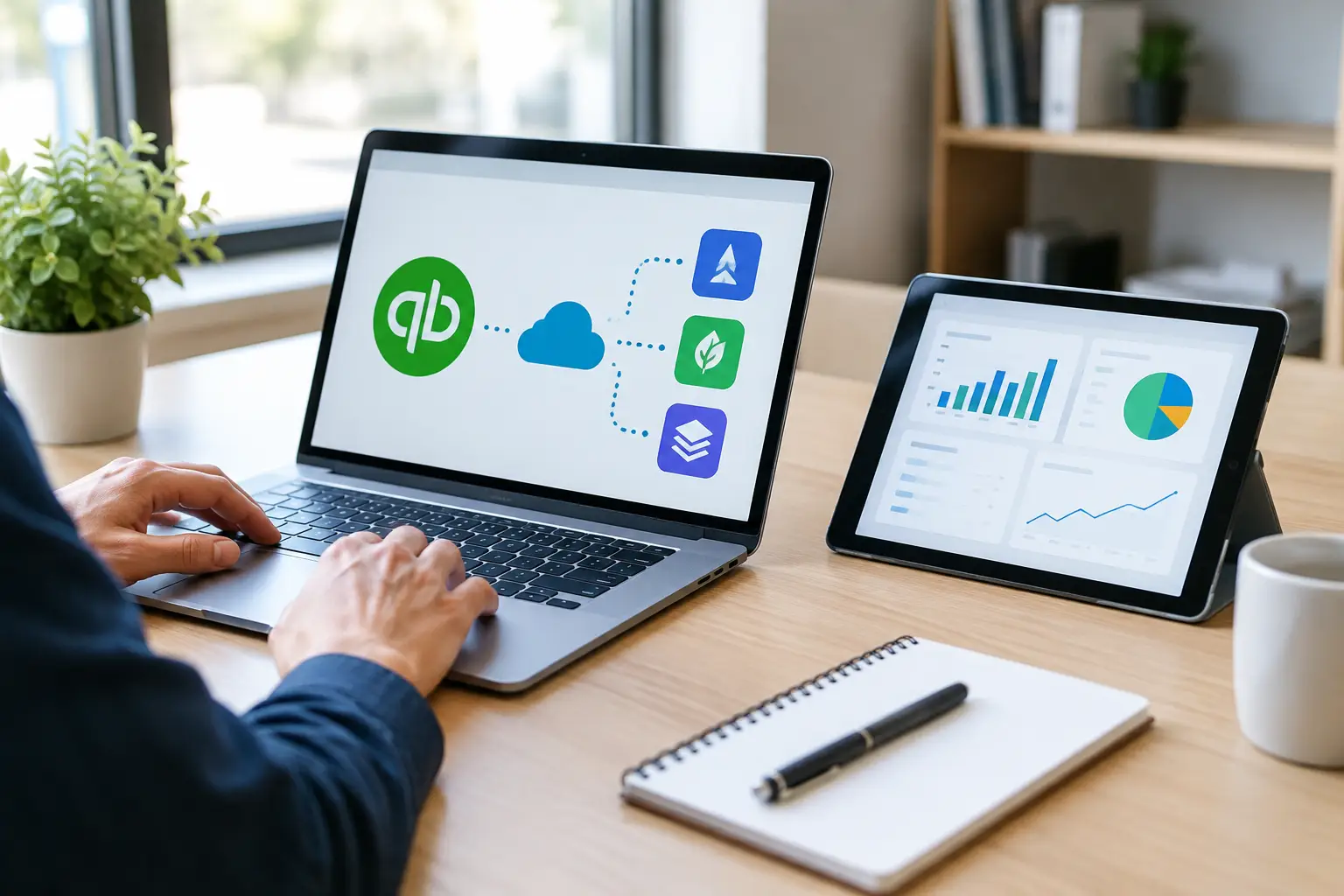
The third sign is whether the system helps both the office and the field without making either side work around the other. Subcontractors need one operating system for daily jobs, not a patchwork of disconnected tools.
When GC software still makes sense for a sub
There are cases where a subcontractor may still need to work inside a GC platform. Large projects often require it for document control, schedule visibility, or communication with the general contractor. That is normal.
But using a GC-required platform for project participation is different from using it to run your company. Many subs need both: one system because the GC requires it, and another system that actually manages their internal operations (especially for field teams and office admins).
That is an important distinction. If your internal software depends on the GC's workflow, your business can end up organized around someone else's needs.
What the right system should feel like
Good subcontractor software should reduce phone calls, cleanup work, and end-of-week surprises. It should make it easier to answer basic questions fast. Who is on site? What got done? What did it cost? What changed? What can we bill?
It should also be usable across different comfort levels. Not every crew is made up of tech people, and that is fine. The right platform should feel natural on a phone, clear in the office, and fast enough that nobody avoids it.
That is why contractor-first software matters. A platform like SimplySub is built around the daily operating needs of subcontractors, not the reporting structure of a general contractor. That difference shows up in how quickly teams adopt it and how much visibility owners get without adding more admin work.
The better question to ask before you buy
Instead of asking whether a platform is powerful, ask whether it matches how your company actually runs. If you are a subcontractor, your software should help you track crews, control costs, document work with photos, files, and notes, and get paid faster. If it cannot do that simply, it is probably solving the wrong problem.
The best software for your business is not the one with the longest feature list. It is the one your field team will actually use, your office can trust, and your owners can rely on to see what is happening across every job.
When software fits the work, you stop chasing paperwork and start running tighter jobs by connecting equipment time tracking and estimates and invoicing to what really happened in the field. That is where better margins usually begin, and if you want to see what that looks like for your crew you can book a demo or review pricing when you are ready.