If your foreman is texting crew hours, snapping photos on one phone, tracking materials in a notebook, and sending the office an Excel file later, you already know the problem. The real foreman app vs spreadsheets question is not which tool is cheaper on paper. It is which one gives you accurate jobsite information fast enough to actually run the job.
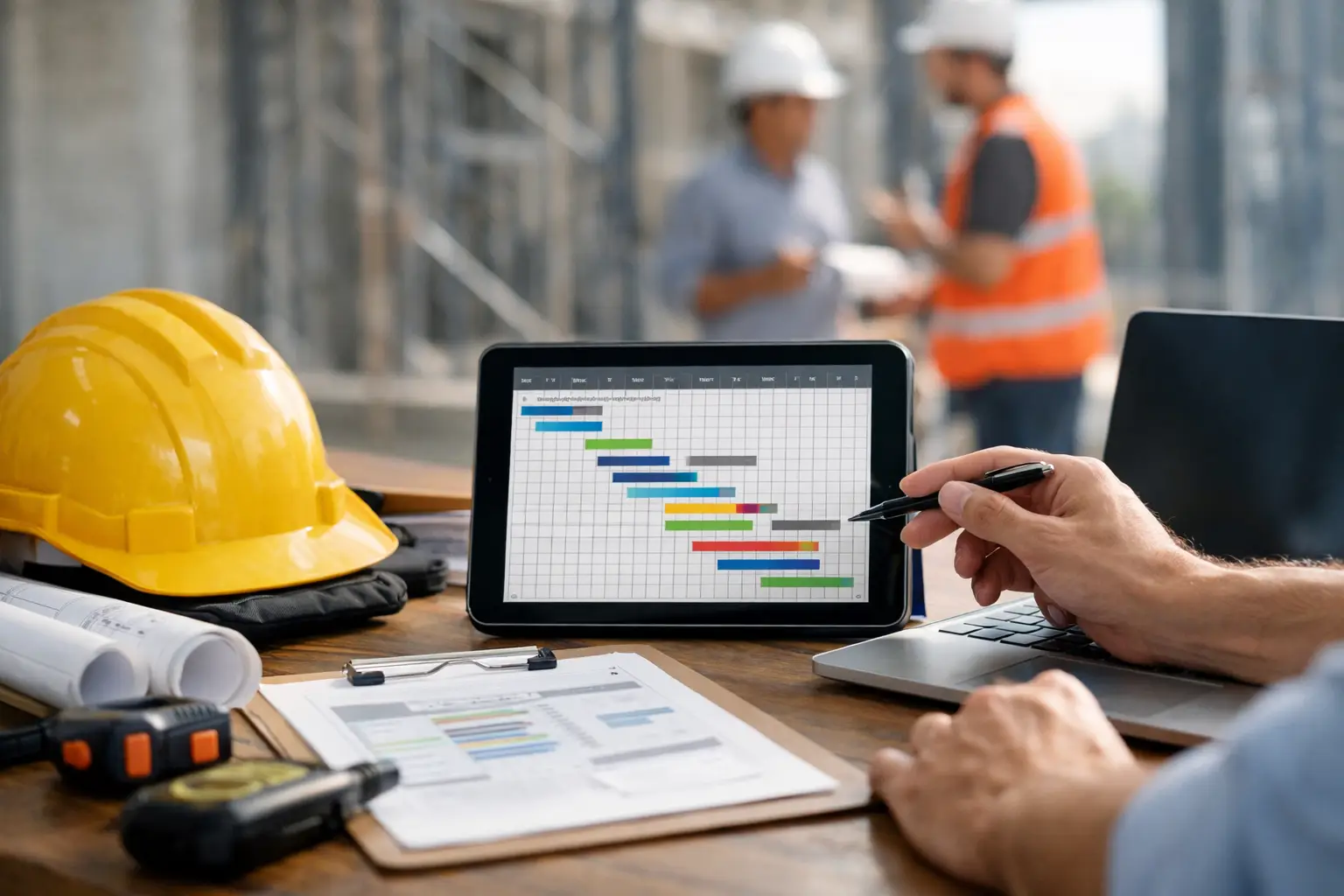
For a lot of subcontractors, spreadsheets feel familiar because they have been patched into the process for years. One sheet tracks labor. Another tracks equipment. Another handles daily logs. Then someone in the office tries to line it all up with invoices, job costs, and payroll. It works until it does not. A missed cell, a bad formula, or a delayed update can turn a normal day into cleanup work.
A foreman app changes that by moving jobsite reporting out of scattered files and into one place that crews can use in the field. That does not mean spreadsheets are useless. They still have a place for one-off analysis, budgeting, and quick internal reporting. But for day-to-day field operations, the gap is bigger than many contractors expect.
Foreman app vs spreadsheets on a real jobsite
The biggest difference is timing. Spreadsheets usually depend on someone collecting information first and organizing it later. A foreman app is built to capture that information as the work happens.
Think about a concrete crew pouring across two active jobs. The foreman needs to track who showed up, when they started, what equipment was used, what materials came in, and what happened on site that could affect production or billing. In a spreadsheet workflow, part of that may get entered at the end of the day, part of it may get texted to the office, and part of it may stay in someone’s memory until the next morning. That delay is where mistakes start.
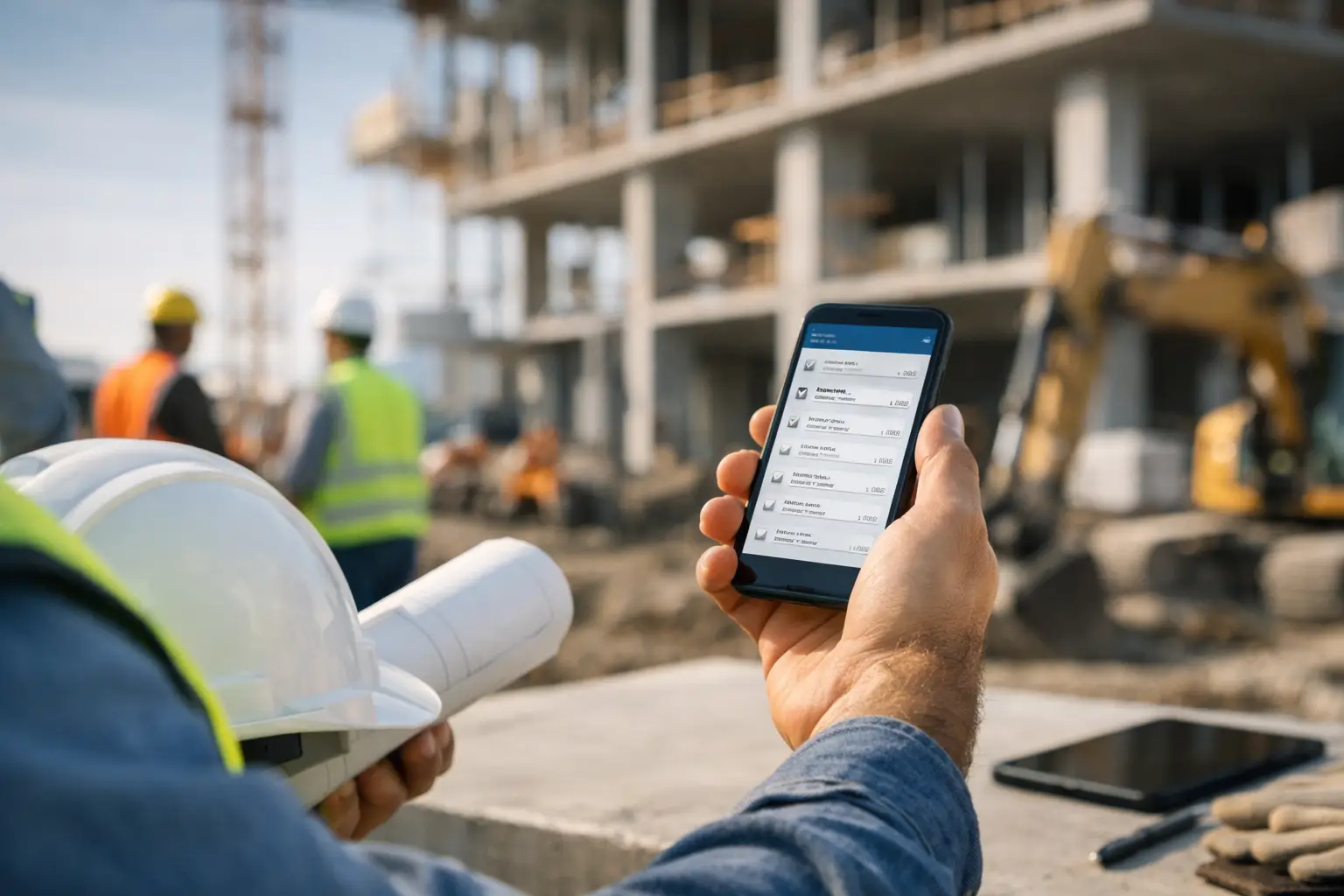
With a field-ready app, the foreman logs time and attendance, daily work logs, photos, and production details from the jobsite. The office sees it without waiting for someone to re-enter the same information later. That is a practical difference, not a software talking point. Faster information means faster payroll review, cleaner daily logs, and less arguing about what happened on a job three days ago.
Where spreadsheets still make sense
Spreadsheets are not the enemy. They are flexible, cheap, and familiar. If you are building a quick estimate model, comparing vendor pricing, or reviewing monthly numbers, a spreadsheet can still be useful.
They also work fine when the process is simple and the stakes are low. A very small crew with one foreman, one active job, and one owner reviewing everything personally may get by with spreadsheets for a while. If the same person is in control of every update, there are fewer handoff problems.
The trouble starts when your company grows past that point. Once you have multiple foremen, multiple jobs, and office staff trying to keep labor, production, materials, and documentation aligned, spreadsheets stop being simple. They become a manual system that depends on perfect habits from busy people in a fast-moving environment.
Why foremen usually do not love spreadsheets
Most spreadsheets were not built for use in a truck, on a muddy site, or during a rushed handoff between tasks. They were built for desks. That matters.
Foremen are not looking for more admin work. They want a fast way to record what matters and get back to the crew. If a spreadsheet requires zooming in on tiny cells, scrolling through tabs, fixing broken formatting on a phone, or remembering which file version is current, it will not get used consistently. And if it is not used consistently, the office is making decisions from incomplete information.
That is why mobile usability matters so much in the foreman app vs spreadsheets comparison. A good foreman app should feel obvious on day one. Open the job, enter the crew, add notes, attach photos, submit. No hunting through folders. No version control. No waiting until the end of the night.
Accuracy is where the cost really shows up
Many contractors stick with spreadsheets because they look inexpensive. The file already exists. Everyone knows what it is. There is no new monthly subscription to approve.
But the real cost is in the errors and delays around the spreadsheet, not the spreadsheet itself. If office staff spend hours every week cleaning up crew hours, chasing missing job notes, matching photos to the right job, or fixing formulas, that is a labor cost. If a missed material entry leads to bad job costing, that is a profit problem. If documentation is too scattered to support a change order or dispute, that can cost far more than software ever will.
A foreman app earns its value when it reduces rework. The foreman enters the information once. The office does not have to rebuild the day from texts, calls, paper notes, and half-complete files. That single change can save enough time to matter within the first pay cycle.
Visibility for the office and accountability in the field
Subcontractors do not just need data. They need clear visibility into what each crew is doing across active jobs.
Spreadsheets can store information, but they do not naturally create accountability. A sheet does not tell you whether the update is late, whether the crew clocked in from the right jobsite, whether photos were attached, or whether a foreman skipped a daily log. Someone has to notice that manually.
A foreman app creates a cleaner chain of record. Hours are tied to people and jobs. Notes are tied to dates. Photos are tied to the work. Equipment and material usage can be tied to cost tracking. That helps owners, project managers, and office admins see what is happening without making ten phone calls.
This is especially important for subcontractors running several jobs at once. Once your crews are spread out, you cannot manage from memory anymore. You need a system that gives you real-time job visibility without adding office overhead.
The trade-off: apps require a process change
There is one fair point in favor of spreadsheets. They ask very little from the business upfront. Most teams already know how to use them at a basic level, and nobody has to change the workflow immediately.
A foreman app does require a process change. You are asking field leaders to enter information in a new way and asking the office to trust a different flow of data. If the app is hard to learn, loaded with unnecessary features, or designed more for general contractors than subcontractors, that transition can be painful.
That is why simplicity matters more than feature count. For subcontractors, the best system is usually not the one with the longest list of capabilities. It is the one your foremen will actually use every day without resistance. If the setup is fast, the screens are clear, and the workflow matches real field conditions, adoption goes up quickly. If it feels like enterprise software dressed up for the field, it usually dies in rollout.
What subcontractors should look for instead of another spreadsheet
If you are evaluating whether to move on from spreadsheets, start with the daily work your foremen and office teams already do. Can they track crew hours, job progress, photos, equipment, materials, and daily logs in one place? Can the office see that information the same day? Can crews use it without training sessions and constant follow-up?
That is the real standard. Not whether software has every possible feature, but whether it removes friction from payroll, job tracking, billing support, and field communication.
For subcontractors, that often means choosing a platform built around crew reporting and jobsite execution, not one designed mainly for the general contractor side of the project. SimplySub is one example of that approach. It is built for subcontractors who need fast setup, simple field use, and one system that replaces the spreadsheets, paper logs, and disconnected apps slowing the business down.
So which one works better?
If your business is small, simple, and owner-run, spreadsheets may still be good enough for a while. But if you are managing multiple jobs, multiple crews, and any meaningful amount of office coordination, a foreman app usually works better because it fits the speed of the work.
The key is not software for software’s sake. The key is getting timely, accurate jobsite information without creating more admin. That is what helps you control labor, back up billing, keep jobs organized, and protect margin.
When your field data shows up late, your decisions show up late too. A better system does not make construction easy, but it does make the daily mess a lot easier to manage. If you want to see what this looks like in practice, schedule a demo or review pricing and start your 100 day risk free account.