A job can look fine on paper and still fall apart by Thursday. The concrete crew is waiting on rebar. The electrician says nobody told them the schedule changed. Timecards come in late, material receipts are missing, and now the office is trying to sort out what actually happened. That is why knowing how to manage subcontractors in construction matters so much. Good subcontractor management is not about micromanaging people. It is about building a system that keeps work moving, protects margins, and makes accountability simple.
For small to mid-sized trade contractors, this gets harder as soon as you add more crews, more jobs, or more moving parts. What worked when you had one foreman and a whiteboard breaks down fast when you are juggling labor, equipment, deliveries, change orders, and deadlines across multiple sites. The fix is not more paperwork. It is better control.
How to manage subcontractors in construction starts with clear expectations
Most subcontractor problems start before anyone steps on the jobsite. If the scope is fuzzy, the schedule is loose, or responsibilities are assumed instead of confirmed, you are setting up avoidable conflict. People fill in the blanks differently, and those differences get expensive.
Start with a clear scope of work. Be specific about what is included, what is excluded, what materials are provided by whom, and what the handoff points look like between trades. If you are a concrete contractor bringing in a rebar crew or a landscaping company using specialty subs for irrigation, do not rely on verbal understanding. Put expectations in writing and keep them easy to access.
The same goes for schedule expectations. A start date is not enough. Subcontractors need to know the sequence of work, site constraints, inspection timing, access issues, and what has to be complete before they mobilize. If there is risk around weather, procurement, or predecessor trades, say so early. Crews can work around real-world jobsite problems. What they cannot work around is surprise.
Communication has to be simple enough for the field
A lot of teams think they have a communication problem when they really have a system problem. If updates are spread across texts, phone calls, paper notes, and emails, information gets missed. Then everyone thinks someone else dropped the ball.
The best communication process is usually the simplest one. Field leaders need one place to check job updates, notes, photos, documents, and schedule changes. Office staff need the same visibility without chasing people down. If your foremen are still digging through text threads to find yesterday's change or trying to remember which crew moved to which site, the process is too loose.
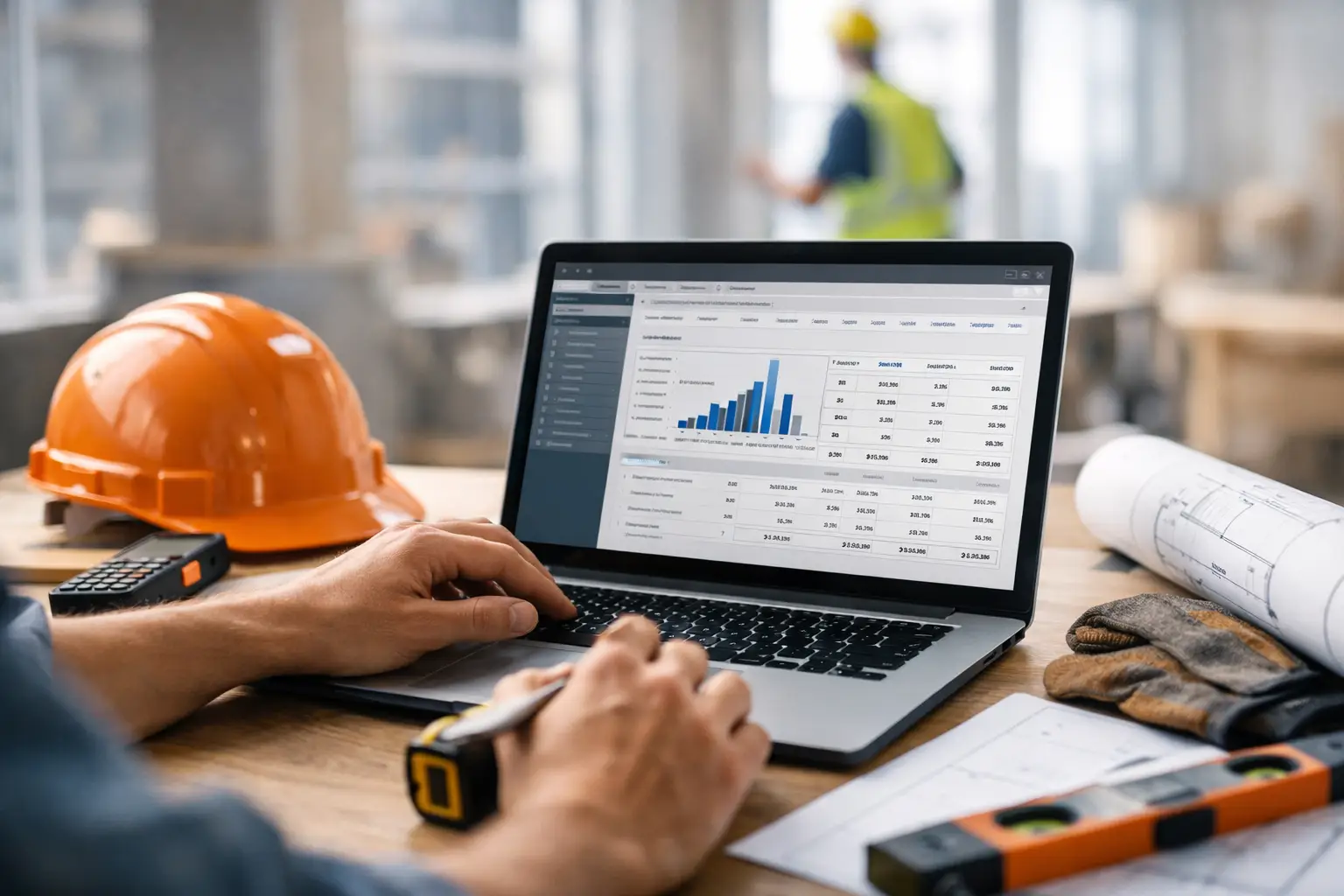
This is where a field-friendly system makes a real difference. Instead of asking crews to adopt complicated software built for general contractors, use tools that match how subcontractors actually work. SimplySub is built for that kind of day-to-day control, with job tracking, daily logs, photos, crew time, materials, and invoices all in one place. That matters because speed matters. If the system is hard to use, your field team will go around it.
Keep the schedule tied to labor reality
A schedule is only useful if it reflects the crews, equipment, and production you actually have. One of the fastest ways to lose control of subcontractors is to treat the schedule like a wish list instead of an operating plan.
Look at labor availability first. Do you have enough people to support overlapping work? Are your subcontractors committed to your timeline, or are they fitting your project around three others? Smaller trade contractors feel this especially hard because one delayed crew can throw off the whole week.
It also helps to track production against plan, not just attendance. A crew being on site does not mean the job is on track. If a masonry crew was expected to complete one area and finished half, you need to know that now, not at billing time. Daily jobsite reporting does not need to be complicated, but it does need to happen consistently.
Documentation protects you when memory fails
Construction runs on detail, and detail gets lost fast when nobody writes things down. Verbal approvals, undocumented delays, missing photos, and handwritten notes buried in truck consoles all create risk. If there is a dispute later, memory will not save you.
Good subcontractor management means documenting progress as the work happens. Daily logs, job photos, completed quantities, weather notes, delivery records, and field issues all help tell the real story of the job. This is just as important for smaller contractors as it is for larger ones. In some cases, it is more important because lean teams do not have time to rebuild the timeline after the fact.
This is also where trade-offs come in. Too much documentation can become its own burden if the process is slow or repetitive. The goal is not paperwork for the sake of paperwork. The goal is to capture enough information to make payroll, billing, change management, and dispute resolution easier.
Hold subcontractors accountable without slowing the job down
Accountability works best when it is built into the workflow. If you only check in when something goes wrong, every conversation feels reactive. If expectations, reporting, and progress tracking are part of the normal process, accountability feels fair instead of personal.
That starts with visible commitments. What was supposed to happen today? What actually happened? What is blocking tomorrow? Foremen and crew leaders should be able to answer those questions quickly. If they cannot, the issue is usually not effort. It is a lack of structure.
Payment processes also matter here. When invoices, completed work, and supporting documentation are disconnected, disputes drag on. A cleaner system ties field progress to billing so there is less back-and-forth and fewer surprises. That keeps relationships stronger and cash flow more predictable.
Track materials and equipment like they affect profit, because they do
A lot of subcontractor management advice focuses only on people. But labor is not the only thing that creates chaos. Missing equipment, untracked materials, and poor delivery coordination can make a decent crew look unproductive.
If you are trying to manage subcontractors in construction, you need visibility into what is on site, what was used, and what still needs to be ordered or moved. A fencing contractor waiting on posts or a plumbing crew missing fittings can lose half a day without anyone meaning to. Those losses add up quietly.
The office should not have to guess whether materials were delivered or whether equipment is sitting on another job. The more real-time your field updates are, the faster you can make decisions before delays turn into margin erosion.
Use one system instead of five partial ones
A common problem for growing subcontractors is tool sprawl. Time is in one app. Photos are in phones. Job notes are in notebooks. Estimates are in spreadsheets. Invoices are somewhere else. That setup may feel manageable until the business gets busy. Then every answer takes too long to find.
The practical fix is not more admin. It is fewer disconnected systems. When job tracking, crew time, documentation, materials, and billing all live together live together, managers can see what is happening without piecing together the story manually. That saves time, but more importantly, it improves decisions.
There is an it depends factor here. Very small teams sometimes get by with simpler processes for a while. But once you are running multiple crews or multiple jobs at the same time, disconnected tools usually cost more than they save. Delays, billing errors, and missed field information are expensive forms of simplicity.
Train the process, not just the people
Even the best system fails if everyone uses it differently. One foreman submits detailed notes. Another sends a text. A third forgets until Friday. That inconsistency is where control breaks down.
The answer is to standardize the process in a way the field can realistically follow. Keep it short. Daily logs should be easy to complete. Time tracking should take minutes, not half an hour. Photos should be attached to the job, not trapped on personal devices. If your process requires heavy training or constant reminders, it is probably too complicated for real jobsite conditions.
Simple routines win. The crews clock in the same way every day. The foreman updates progress before leaving the site. Material use gets logged when it happens. That kind of consistency is what gives owners and office managers real visibility.
Managing subcontractors well is not about being harder on people. It is about making it easier for everyone to do the right thing, every day. When expectations are clear, communication is centralized, field reporting is fast, and the office can see the job as it happens, you spend less time chasing problems and more time running profitable work. That is the kind of control that holds up when the schedule gets tight.