A skid steer that will not start at 7:00 a.m. can throw off an entire crew. A damaged sling, leaking hose, worn tire, or missing guard can do worse. That is why the question of when should equipment be inspected needs a clear answer before the crew is already standing around, waiting for a fix.
For subcontractors, equipment inspections are not busywork. They protect people, keep jobs moving, reduce surprise repair bills, and give owners a better handle on what is happening across every jobsite. The right inspection schedule is simple: check equipment before use, inspect it regularly based on the manufacturer and applicable rules, and inspect it again any time something changes.
When Should Equipment Be Inspected?
Construction equipment should be inspected at several points, not just when annual paperwork is due. The exact schedule depends on the machine, attachment, trade, hours of use, and jobsite conditions. A compact loader running all day in mud needs more attention than a generator used occasionally on a clean interior job.
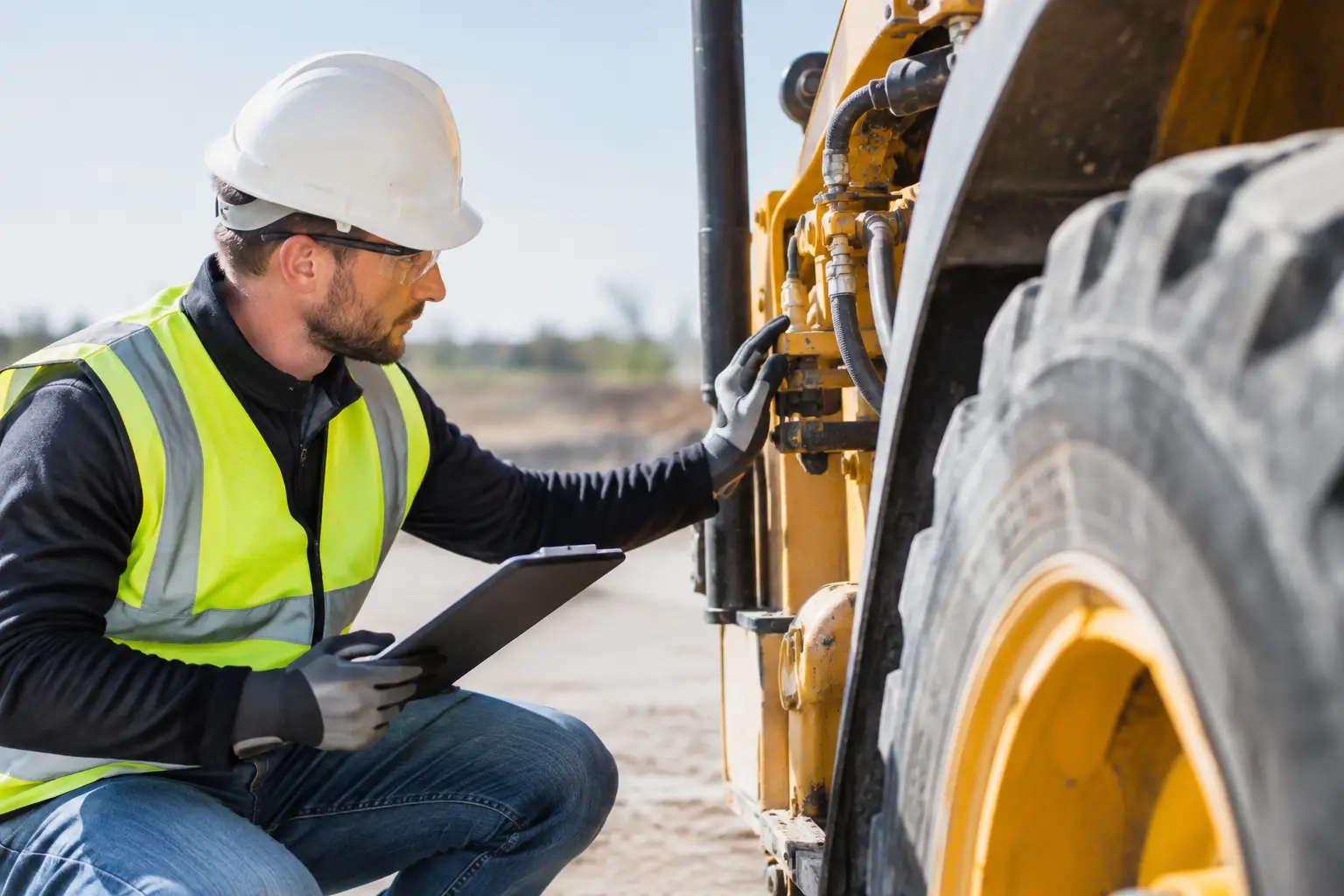
Start with a pre-use inspection at the beginning of each shift or before a new operator takes over. This is the field-level check that catches obvious problems before work begins. Operators should look for leaks, loose or damaged components, worn tires or tracks, missing guards, warning lights, fluid levels, and anything that affects safe operation.
Some equipment also requires documented periodic inspections. Lifts, cranes, rigging, forklifts, trenching equipment, fall protection gear, and certain power tools may have manufacturer, OSHA, ANSI, customer, or local requirements that go beyond a daily walkaround. Follow the strictest requirement that applies to the job, and do not assume one checklist works for every piece of equipment.
The Four Times an Inspection Cannot Wait
A daily check is the baseline. These situations call for an inspection right away, even if the equipment was checked earlier.
Before first use or a new shift
The operator who uses the machine should look it over before putting it to work. They are most likely to notice a new vibration, unusual sound, slow response, or hydraulic leak. A quick check is more useful when it is tied to real operation instead of treated like a form to rush through.
For smaller tools, the same rule applies. A damaged extension cord, cracked grinder guard, worn drill bit, or missing ground pin can create a stop-work problem fast. Check the tool before it reaches the work area.
After a move, impact, repair, or long downtime
Equipment can be damaged in transport, even when it looked fine at the previous job. Inspect machines and attachments after loading, unloading, towing, or moving them between sites. Check tie-down points, hoses, tires, lights, pins, couplers, and safety devices.
Do the same after a collision, tip-over, dropped load, suspected overload, major repair, or extended storage. A repair is not the end of the process. The equipment needs a functional check before it goes back into service.
When conditions change
Jobsites change constantly. Rain turns access roads into ruts. Dust plugs filters. Freezing weather affects fluids and batteries. A machine that ran normally yesterday may need a closer look after a hard week of grading, demolition, roofing, or concrete work.
Inspect equipment when the operating environment changes or when the job calls for a different attachment, heavier load, steeper grade, or tighter work area. The risk is not just the machine itself. It is the machine used in a new situation.
When an operator notices anything unusual
Teach crews to take warning signs seriously. Strange noises, drifting controls, overheating, smoke, leaking fluid, damaged guards, frayed cables, or erratic operation are all reasons to stop and inspect. The cheapest repair is often the one made before a small issue turns into a failed component or an injury.
A good rule is simple: if an operator has to ask whether something is safe to use, the equipment should be checked before it keeps working.
Match the Inspection to the Equipment
Not every inspection needs the same depth. A foreman does not need a 30-minute form to check a portable saw, and a quick visual glance is not enough for a boom lift or crane. Keep the process proportional to the equipment and the risk.
Daily operator checks should be short and practical. For most mobile equipment, that means looking for visible damage and leaks, checking fluids and tires or tracks, testing controls and alarms, confirming guards are in place, and making sure the machine is clean enough to operate safely. Equipment with attachments should include the attachment in the check.
More detailed inspections belong on a recurring schedule. These may be weekly, monthly, quarterly, annually, or based on operating hours, depending on the equipment and required standards. They often involve a qualified person, maintenance technician, or outside inspector. Keep manufacturer manuals and required inspection criteria available for the specific model, not buried in a truck or office file nobody can find.
Lifting and fall-protection equipment deserve extra attention. Slings, hooks, chains, harnesses, lanyards, anchors, and lifting devices can look usable while carrying damage that makes them unsafe. Follow the applicable inspection rules, remove questionable gear from service, and clearly tag it so it does not get picked up by the next crew.
Make Inspections Easy Enough to Happen
The best inspection program is not the longest one. It is the one your crew will complete correctly on a busy Monday morning.
Give each equipment type a simple checklist written in plain language. A skid steer checklist should not look like a roofing hoist checklist. Keep required checks to what the operator can actually verify, then route larger repairs or specialized inspections to the right person.
Mobile records are especially helpful for crews working across multiple sites. Instead of paper forms disappearing into truck consoles, operators can log the inspection, add a photo of the issue, and notify the office or field manager immediately. That creates a record of what was found, when it was reported, and whether the equipment was cleared, repaired, or removed from service.
SimplySub helps subcontractors keep equipment records tied to the job and crew using them. That gives the office visibility without forcing foremen to manage another spreadsheet at the end of the day.
What to Do When Equipment Fails an Inspection
Do not leave the decision up to guesswork. Your team should know exactly what happens when a problem is found.
First, take unsafe equipment out of service. Tag it clearly, secure it if needed, and make sure the crew knows it cannot be used. Then document the issue with a short description and photos. Assign the repair, record the work completed, and verify that the equipment is ready before returning it to the field.
Not every finding means a machine is immediately unsafe. A dirty cab or low windshield washer fluid is different from a cracked fork, failed backup alarm, or hydraulic leak. But minor issues still need ownership. Small maintenance items become expensive downtime when no one is responsible for closing them out.
This is where clear categories help: safe to operate, safe with a scheduled maintenance item, or out of service. Keep the call simple, and make sure only qualified people approve equipment that had a safety-related failure.
Inspection Records Protect More Than the Machine
A completed inspection shows that your company has a process. It helps during customer audits, incident reviews, warranty questions, and equipment disputes. More importantly, it gives you useful operating information.
If the same skid steer keeps showing hydraulic hose wear, you may have a routing issue, operator habit, or jobsite condition worth addressing. If one crew reports more damaged cords than others, that points to a training or storage problem. Good records turn repeated headaches into a fixable pattern.
Do not let documentation become the goal. The point is to catch problems, make repairs, and keep people safe and productive. A five-minute pre-use check that leads to action is worth more than a perfect form that sits unread.
Build inspections into the rhythm of the job: before startup, after a change, and whenever something does not look or feel right. When crews can report issues quickly and managers can see what needs attention, equipment stops being a daily question mark and starts supporting the work it was bought to do. See how SimplySub can simplify your inspection process by exploring a demo.